
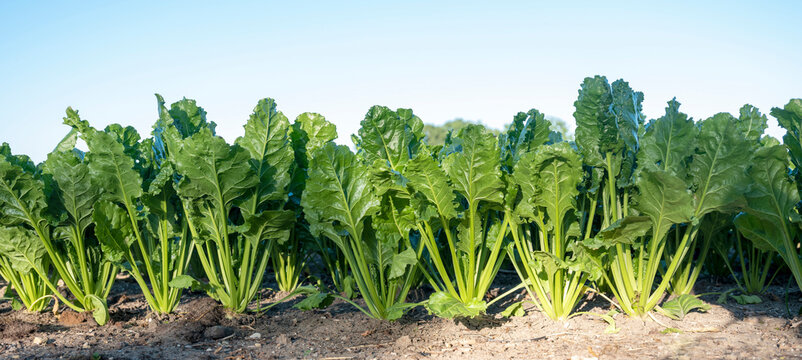
Corteva Will Bring Verpixo™ Fungicide With Adavelt™ Active to U.S. Sugarbeet Market
Corteva announced today the future availability of Verpixo™ fungicide with Adavelt™ active to protect the quality and yield potential of sugarbeets. The new fungicide — with anticipated registration by the U.S. Environmental Protection Agency (EPA) later this year — will help provide effective control of the sugarbeet industry’s most economically damaging fungal disease: cercospora leaf spot.
Fungicides are integral to food production, and the potential loss of important crop disease protection tools impacts us all. Corteva supports Global Fungicide Resistance Action Committee (FRAC) recommendations to delay the development of fungicide resistance through strategies such as crop rotation, planting resistant varieties, and using multiple modes of action, among others.
Verpixo fungicide will be the first Group 21 picolinamide fungicide in the United States, introducing a new mode of action that offers important resistance management benefits against ascomycete diseases like cercospora leaf spot. Based on a naturally occurring compound found in soil bacteria, Verpixo fungicide controls a broad spectrum of diseases and offers flexibility in application timing.
“Cercospora leaf spot is the most economically devastating foliar disease in the sugarbeet industry today. It can significantly reduce the size of beet roots, especially during growing seasons when wet and humid weather conditions lead to increased disease pressure,” said Colleen Kent, portfolio marketing leader, Corteva. “Extensive lab and in-field testing confirm the efficacy of Verpixo fungicide with Adavelt active against this disease, and we look forward to growers adding it to their fungicide programs.” Identified by brown circular spots on the plant’s leaves, cercospora leaf spot restricts a sugarbeet plant’s ability to recover sucrose as the plant diverts energy to regrow foliage damaged by the disease. Bringing preventive control through translaminar activity, Verpixo fungicide disrupts the fungal pathogen’s germination on both the top and the bottom of leaf surfaces.