
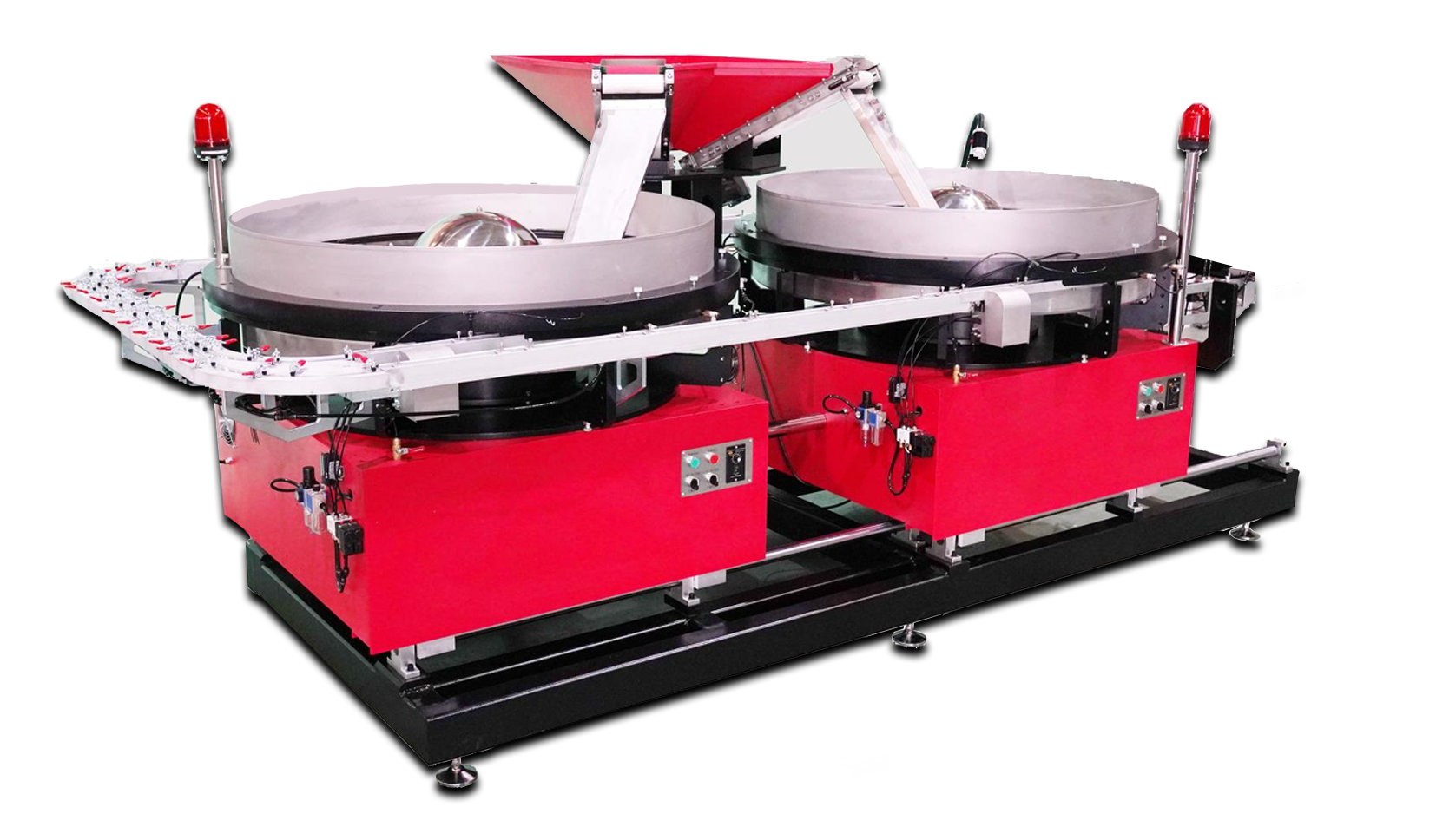
ADVANCED INLAID FLAT DRIPPER PRODUCTION LINE FOR IRRIGATION
Have you ever wondered why some drip irrigation pipes last for years while others fail after just one season? Farmers often blame water quality or harsh weather, but manufacturers know a deeper truth: the quality of a drip irrigation pipe is decided long before it reaches the field. It begins on the production line.
For irrigation equipment manufacturers, building reliable drip pipes is not only about speed or output. It is about precision, consistency, and trust. This is where the advanced inlaid flat dripper production line plays a defining role. It transforms raw plastic into a system that can deliver water drop by drop, season after season, without losing accuracy.
The Technology Behind Inlaid Flat Drippers
Unlike traditional surface-mounted emitters, inlaid flat drippers are embedded directly inside the pipe wall during extrusion. This creates a smooth exterior while protecting the dripper from physical damage, UV exposure, and mechanical stress.
An advanced production line integrates several processes into one continuous operation:
- Flat dripper feeding and positioning
- Pipe extrusion and molding
- Precise dripper embedding
- Cooling, sizing, and cutting
- Automatic quality inspection
Instead of assembling parts after manufacturing, everything happens in one controlled flow. The result is a drip irrigation pipe that behaves like a single engineered unit rather than a collection of components.
This method is especially valuable for farms operating under pressure, high temperatures, long irrigation cycles, and varying water quality. The pipe must survive all of it without compromising water distribution.
How Inlaid Flat Dripper Production Lines Improve Pipe Quality
1. Consistent Water Flow
Uniform water delivery is the backbone of drip irrigation. Inlaid flat dripper lines ensure that each emitter is placed at an exact distance and depth. This prevents the common problem of uneven watering where some plants receive too much and others too little.
By maintaining consistent spacing and flow channels, the production line creates pipes that deliver predictable performance across entire fields.
2. Stronger Structural Integrity
Because the drippers are embedded into the pipe wall, there is no weak joining point. The pipe becomes more resistant to cracking, bending, and pressure fluctuations. This matters greatly in large-scale installations where long pipe runs experience constant internal pressure.
3. Improved Anti-Clogging Performance
Flat drippers are designed with labyrinth flow paths that reduce clogging. When manufactured using an inlaid production line, these flow paths remain perfectly aligned. This reduces sediment buildup and allows water to move steadily, even when filtration is not perfect.
4. Longer Service Life
Traditional externally attached emitters are exposed to sun, friction, and farm equipment. Inlaid drippers are protected inside the pipe body. This significantly extends operational life and reduces replacement frequency.
Solving Real Manufacturing Challenges
Manufacturers often face three main frustrations:
Problem: Inconsistent product quality
Solution: Automated inlaid dripper placement ensures uniformity across thousands of meters of pipe.
Problem: High rejection rates
Solution: Integrated monitoring systems reduce defects before they leave the line.
Problem: Rising production costs
Solution: Continuous extrusion with embedded drippers reduces assembly steps and labor dependency.
Instead of relying on manual correction, the production line itself becomes the quality control system.
Step-by-Step: How the Production Line Works
- Dripper Feeding System
Flat drippers are automatically supplied and aligned for embedding. - Extrusion Unit
Molten polymer forms the pipe body around the drippers. - Inlay Integration
Drippers are embedded directly into the pipe wall with precise spacing. - Cooling and Shaping
The pipe passes through cooling tanks to stabilize its form. - Haul-Off and Cutting
The finished pipe is pulled and cut to required lengths. - Inspection and Packaging
Optical or sensor-based systems verify placement accuracy before packing.
Each stage works together to ensure that every meter of pipe performs the same way in the field