Broodstock Diets – An Overview
Broodstock condition – encompassing physiological, nutritional, and stress-related aspects – is one of the key factors determining the success of aquatic organism propagation.
It is well established that high-quality larvae, exhibiting optimal growth and survival, are directly linked to the nutrition and health of the broodstock.
The effects of nutrients on gonadal development, maturation, and fecundity in various aquatic species, including fish and crustaceans, have been the subject of extensive research over the past decades. These studies have focused on protein sources and levels (fish, squid, krill meals and more recently other protein sources such as black soldier fly meal), lipid sources and fractions (e.g., phospholipids), essential fatty acids – particularly HUFAs such as DHA, EPA, and ARA – and the appropriate ratios among them. Vitamins such as ascorbic acid (vitamin C) and α-tocopherol (vitamin E) have also received considerable attention. In addition, specific nutrients such as astaxanthin, carotenoids, yeast extracts, and microalgae (Spirulina, Chlorella, Dunaliella salina) have been shown to significantly affect fecundity and are now commonly included in commercial broodstock diets.
Although a significant body of scientific literature exists on the nutrition of marine fish and crustacean broodstock, many aspects remain poorly understood. Because aquaculture involves a large number of species that differ in habitat, behavior, feeding habits, and activity patterns, there is no single optimal formula that can meet all species’ requirements. For instance, the nutritional needs of flatfish such as Solea solea differ markedly from those of pelagic species such as Seriola. Likewise, tropical species such as cobia (Rachycentron canadum) have different requirements from cold-water species such as halibut (Hippoglossus sp.).
Although species-specific maturation diets have become increasingly available in recent years, the nutrition of broodstock remains far from optimal.
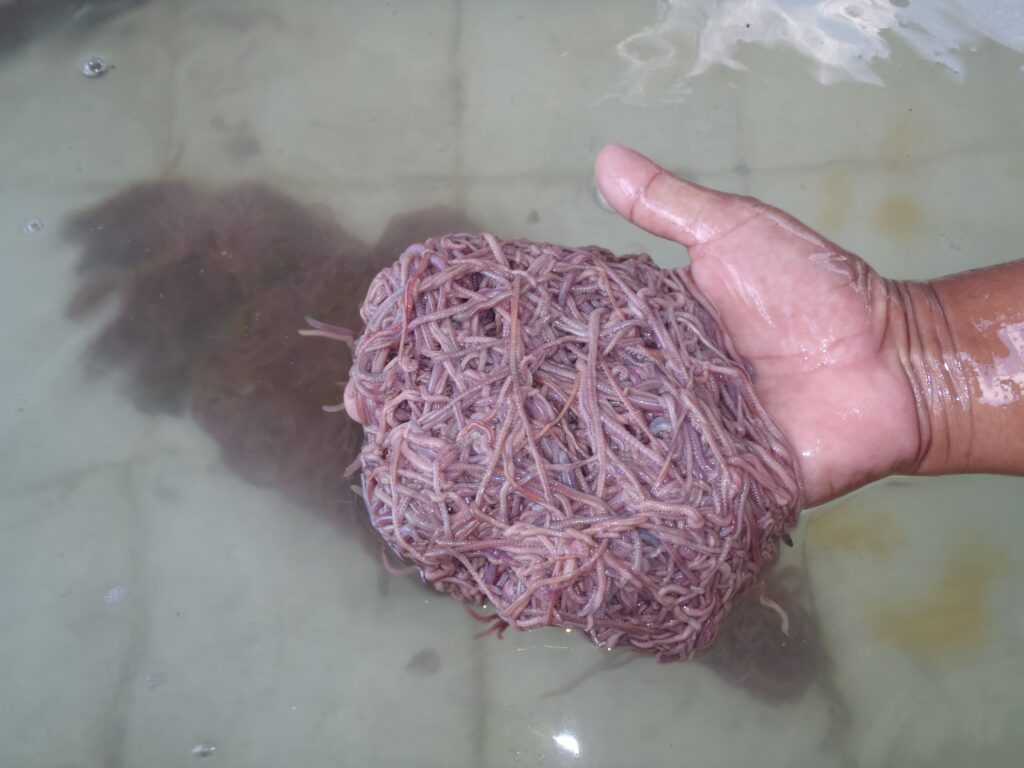
The use of fresh and frozen seafood as partial or complete broodstock diets is still common practice for many marine species, including established species such as gilthead sea bream and European sea bass in the Mediterranean. While some commercial broodstock diets can be used exclusively, marine organisms such as sardines, mackerel, squid, and mussels, polychaetes (for shrimp) are often considered essential components of broodstock diets.
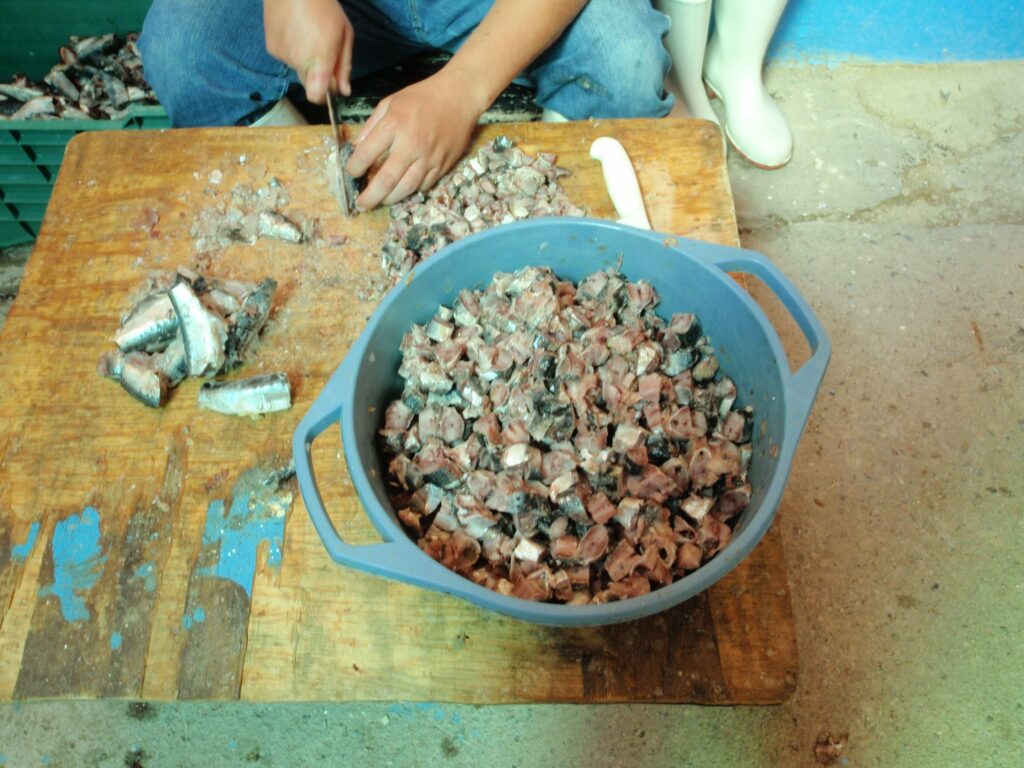
However, the use of fresh or frozen feeds presents significant health risks to broodstock, as it is nearly impossible to sterilize such feeds completely without compromising their nutritional quality. Typically, these feeds are offered without any disinfection or preparation.
In shrimp aquaculture, significant efforts have been made to culture polychaetes, which, together with squid and Artemia, are regarded as essential feed items for broodstock. Large hatcheries and broodstock centers often maintain their own polychaete farms.
In recent years, recurrent disease outbreaks caused by various pathogens have led the shrimp industry to move toward more secure feeding options, such as pathogen-free pre-packed Artemia and other certified alternatives. Nevertheless, global shrimp production still relies heavily on live polychaetes and other fresh or frozen feeds.
In general, there are no standardized feeding protocols for marine fish broodstock. Nutrition and feeding practices vary greatly among hatcheries and species. A typical feeding regime includes a mixture of seafoods – such as sardines, mackerel, and squid – supplemented with commercial boosters containing vitamins, minerals, fatty acids, and other nutrients.
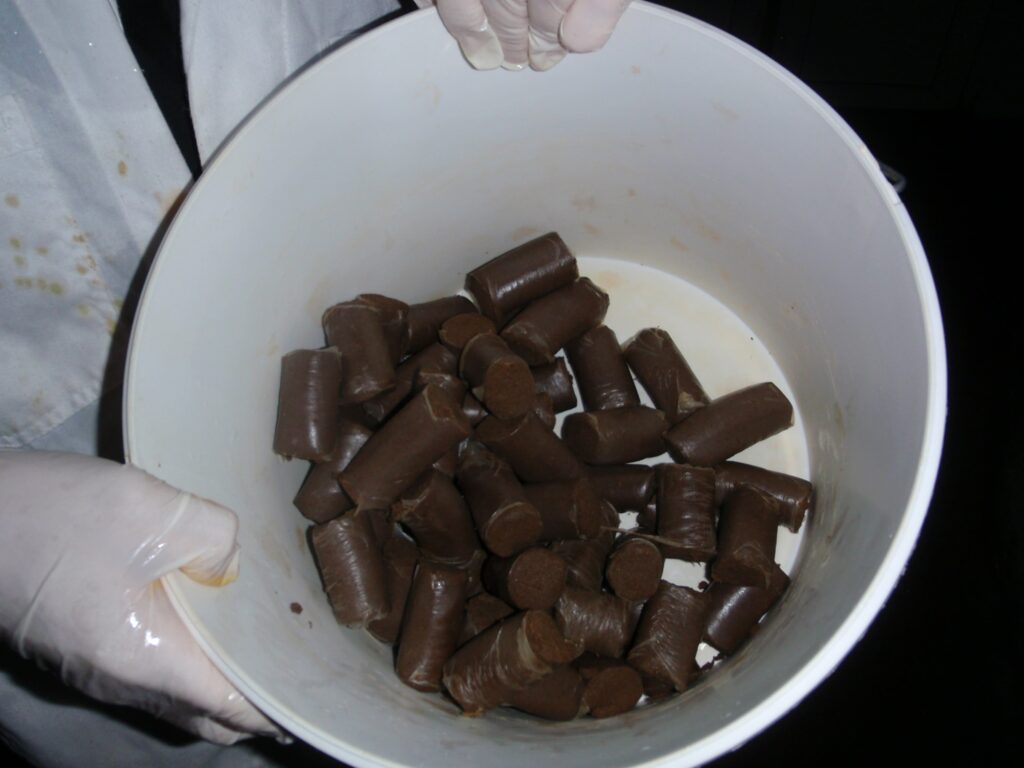
Moist diets, developed in the 1980s and composed of fishmeal and other marine meals (mainly krill and squid), oils, nutritional additives, and fresh ingredients, are commonly used. Many hatcheries still produce these moist diets in-house.
While the precise nutritional requirements of broodstock fish, shrimp, and other crustaceans are not fully understood – particularly for newly cultured species such as groupers (Epinephelus sp.), Seriola sp., cobia, lobsters, and crabs – these requirements are often partially or fully met through supplementation with fresh feeds and nutritional boosters.
Current commercial broodstock diets and supplements primarily target the nutritional needs of fish and shrimp. However, additives that directly support the hormonal cycle, and thereby enhance gonadal development and fecundity, remain scarce. This is especially true for out-of-season broodstock groups of both established and emerging aquaculture species.
Moreover, other important factors that influence broodstock performance – such as stress, immune function, and digestive efficiency – are seldom directly addressed in diet formulations.
Herbal medicine has long been used in human health for managing reproductive and hormonal issues, yet its adaptation in aquaculture remains limited. Medicinal plants are known to have hormone-modulating properties, and certain herbs are used in human medicine as natural boosters of hormonal cycles in both men and women, including in hormone replacement therapies.
The effects of herbal extracts on the development and performance of fish and shrimp broodstock have not been thoroughly investigated (Kolkovski, 2011). However, scientific evidence suggests that, beyond their known antibacterial, antiviral, and antifungal properties, plant extracts can significantly enhance vitellogenesis and spermatogenesis. This results in improved egg quality, sperm motility and viability, higher fecundity, greater hatching success, and superior larval quality.
In black tiger shrimp (Penaeus monodon), diets containing extracts of Withania somnifera, Mucuna pruriens, Ferula asafoetida, and Piper longum have led to significant increases in fecundity and gonadal weight, as well as shorter inter-moult periods. Similar improvements were observed when these herbal extracts were delivered via bioencapsulated Artemia.

Many plant-derived compounds also exhibit non-specific immune-stimulating effects in animals, with more than a dozen evaluated in fish and shrimp. Herbal compounds can inhibit the generation of oxygen anions and scavenge free radicals, thereby mitigating stress. For example, Picrorhiza kurroa extract has demonstrated anti-stress properties in P. monodon. Other herbs, such as Astragalus membranaceus, Portulaca oleracea, Flavescent ophora, and Andrographis paniculata, are known for their stress-reducing and immune-enhancing effects.
Currently, several fish and shrimp hatcheries worldwide are incorporating commercially available herbal extract blends designed to modulate hormonal activity and improve reproductive performance. These are particularly used for out-of-season broodstock and species with reproductive challenges, such as groupers (notably with low sperm motility and volume).
For instance, the inclusion of a commercial herbal extract mix in the diet of Seriola lalandi broodstock yielded similar spawning performance during both the regular and off-season (Kolkovski, 2021; Kolkovski & La Camera, 2015).
However, the use of herbal extracts in aquaculture in Western countries (e.g., the EU and the USA) is subject to strict and comprehensive regulations. In many cases, herbal extracts are classified as medications, requiring extensive and costly approval processes. Consequently, the use of herbal extracts as feed additives for broodstock – and indeed in aquaculture in general – remains very limited.
Conclusion Although substantial information is available on the nutritional requirements of marine fish and shrimp broodstock, optimal feeding regimes have yet to be fully established, especially for new and developing aquaculture species. Greater emphasis should be placed on reducing reliance on live, fresh, and frozen seafood in broodstock diets.
Herbal extracts and phytotherapeutic compounds offer a promising avenue for improving broodstock condition through both direct and indirect physiological effects. Further research is needed to integrate these bioactive compounds into modern aquaculture nutrition strategies